
World hunger: the problem
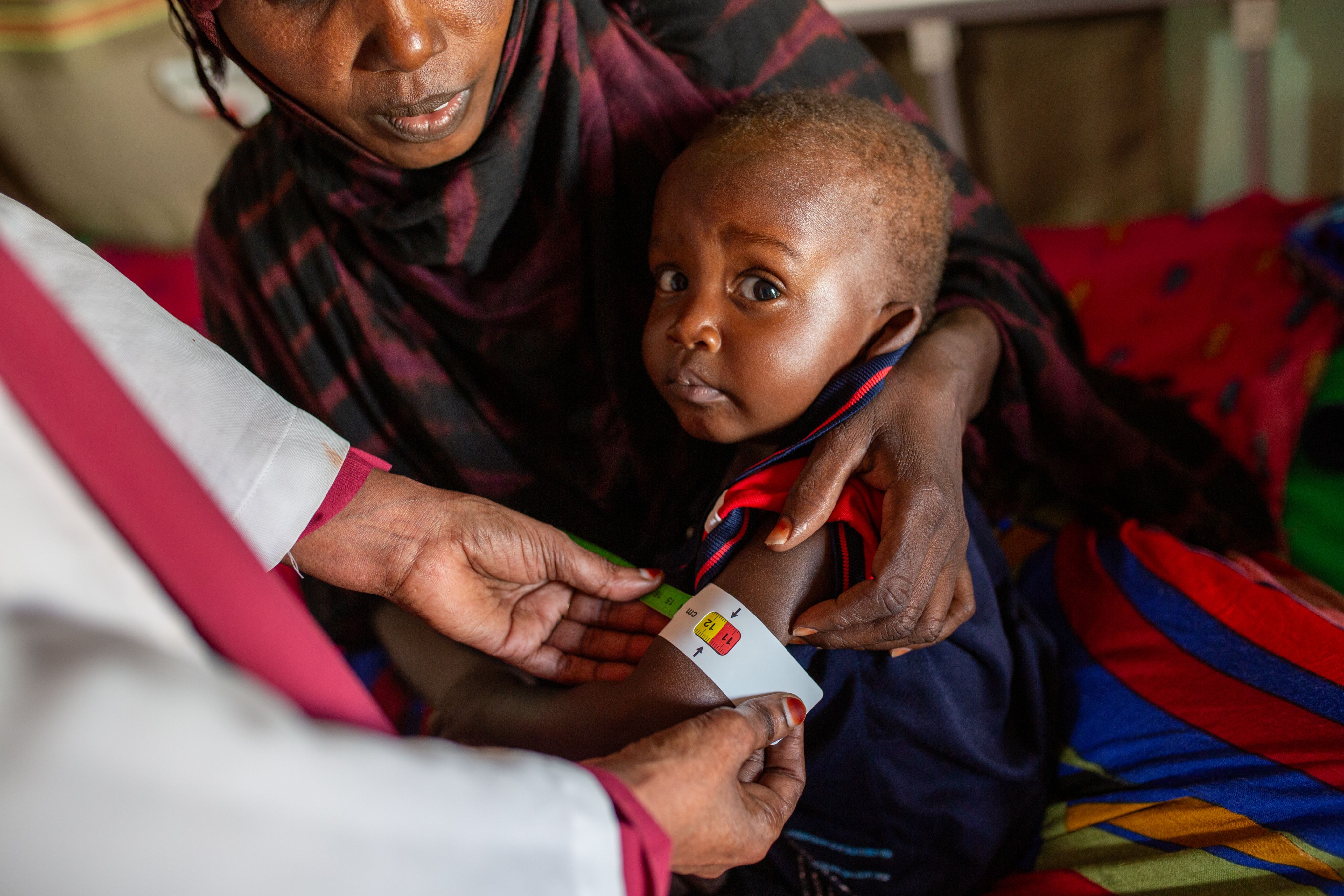

35 children are born into hunger every minute.
Hunger knows no borders, no boundaries and no limits. Today, the number of people experiencing hunger is at record levels. In fact, at least 18.2 million children were born into hunger in 2024. This is equivalent to 35 children being born into hunger every minute.
As the climate crisis deepens, conflict escalates, global inequality widens, and funding that has been saving lives continues to be cut, more and more children face the ever-growing threat of hunger.
They can’t learn, play, or grow. Their childhoods slip away.
A rising tide of war – from Gaza to Ukraine to Sudan – is forcing families from their homes, destroying farmland and essential infrastructure, and creating tens of millions of refugees who struggle to get the food they need.
A wave of floods, drought, storms and wildfires – driven by climate change – is devastating crops and livelihoods, leaving children without enough to eat. And economic turmoil is pushing the price of food beyond the reach of many families.
We have been providing life-saving nutritional support to children for over 100 years. But right now, at a time when global hunger is skyrocketing and approximately 16 million children under five are facing
severe, potentially fatal, malnutrition each year, the funding for this nutrition support - the funding that could save their lives - has been cut.
This is a crisis on a vast scale – devastating millions of lives across dozens of countries. Behind the appalling numbers are the stories of individual children.
How does hunger affect a child?

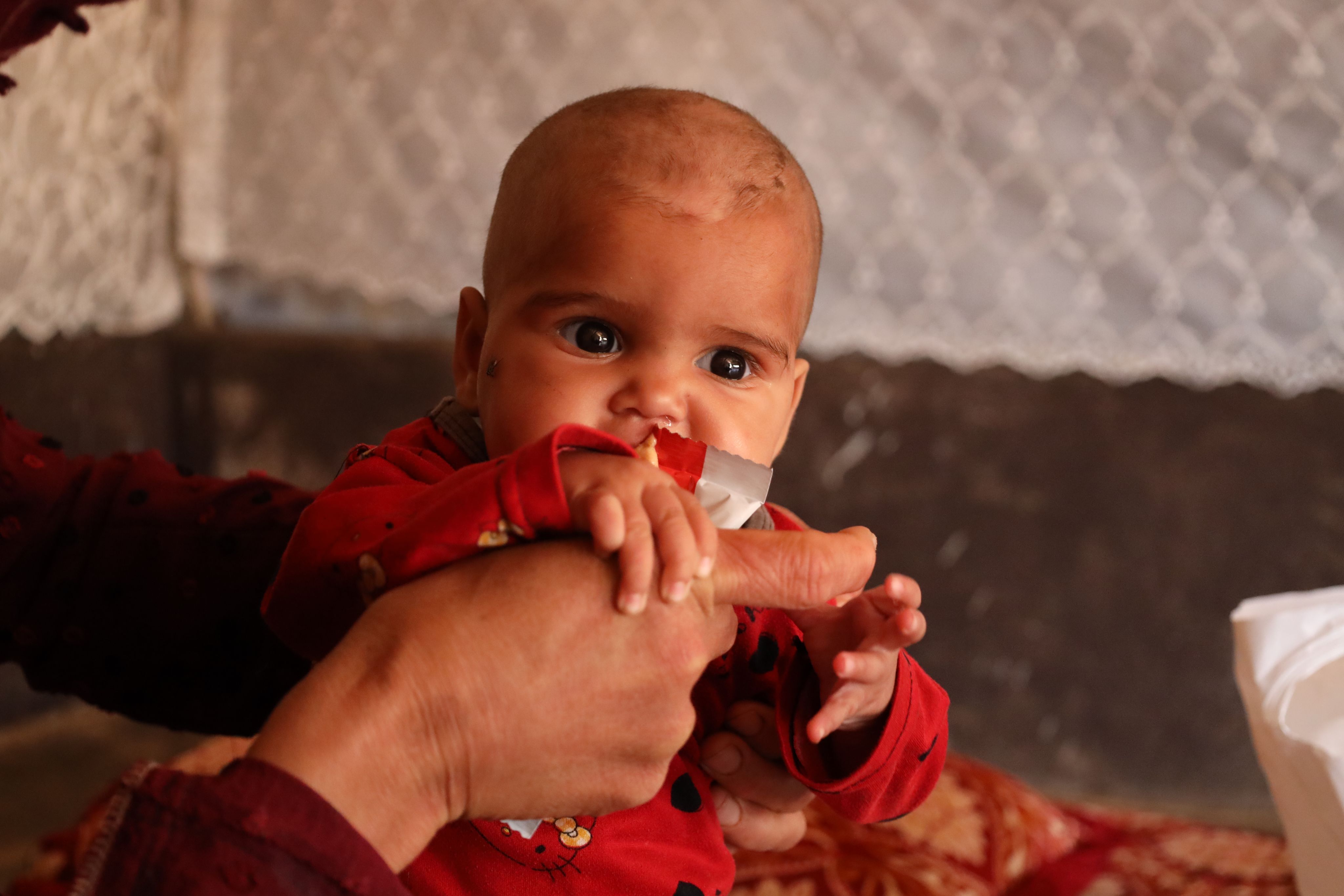
Even a day without proper food can have an impact. Children lose energy. They find it hard to concentrate and learn. They might be anxious or upset.
In the first few days of hunger, changes are already happening to a child's body. Their body starts eating its own fat to make energy. They start to lose their appetite. They become very tired and unable to focus. They begin to lose weight.
After two weeks, their body starts to deteriorate quickly. Their heart, liver and kidneys start to weaken. Their body is more at risk of infections. Their appetite decreases further, and irritability increases. Their body starts to eat its own muscle to stay alive.
After more than three weeks, the effects are catastrophic. Children become vulnerable to common illnesses that could now kill them. Their eyes get lesions leading to loss of sight. Their muscles have wasted away. Their hair starts to fall out. They find it very hard to move. Their organs shut down.
Millions of children’s lives and futures are hanging in the balance. But, hunger is not a lost cause. Together we can stop this crisis in its tracks.
Save the Children equips children and their families with what they need to fight hunger.
Together, let's build a world where no child goes hungry. Donate now and you’ll help us deliver life-saving support to children on the frontline of this crisis.
Keep scrolling to read the stories of children impacted by the global hunger crisis and find out how we can stop hunger.
Aid cuts and hunger
Recent aid cuts have forced us to shut down life-saving services.
In Afghanistan alone, if additional funding is not secured by the end of the year, we will be forced to close 21 health facilities, affecting 1.5 million people.
In South Sudan, aid cuts have already forced us to close 13 nutrition centres and reduce delivery capacity in a further 62.
In Somalia, 18 Save the Children-supported health and nutrition facilities have had to stop services, with more at risk of closing by the end of the year.
This puts the lives of at least 55,000 children with severe malnutrition at risk.
The collapse in nutrition funding globally is predicted to cut off treatment for 15.6 million people across 18 countries, including over 2.3 million severely malnourished children which could lead to 369,000 extra child deaths each year.
Childhood hunger is not a lost cause. But time is running out.
Donate now to our Children’s Emergency Fund, and you’ll help us deliver life-saving support to children on the frontline of this crisis.
Dalmar's story
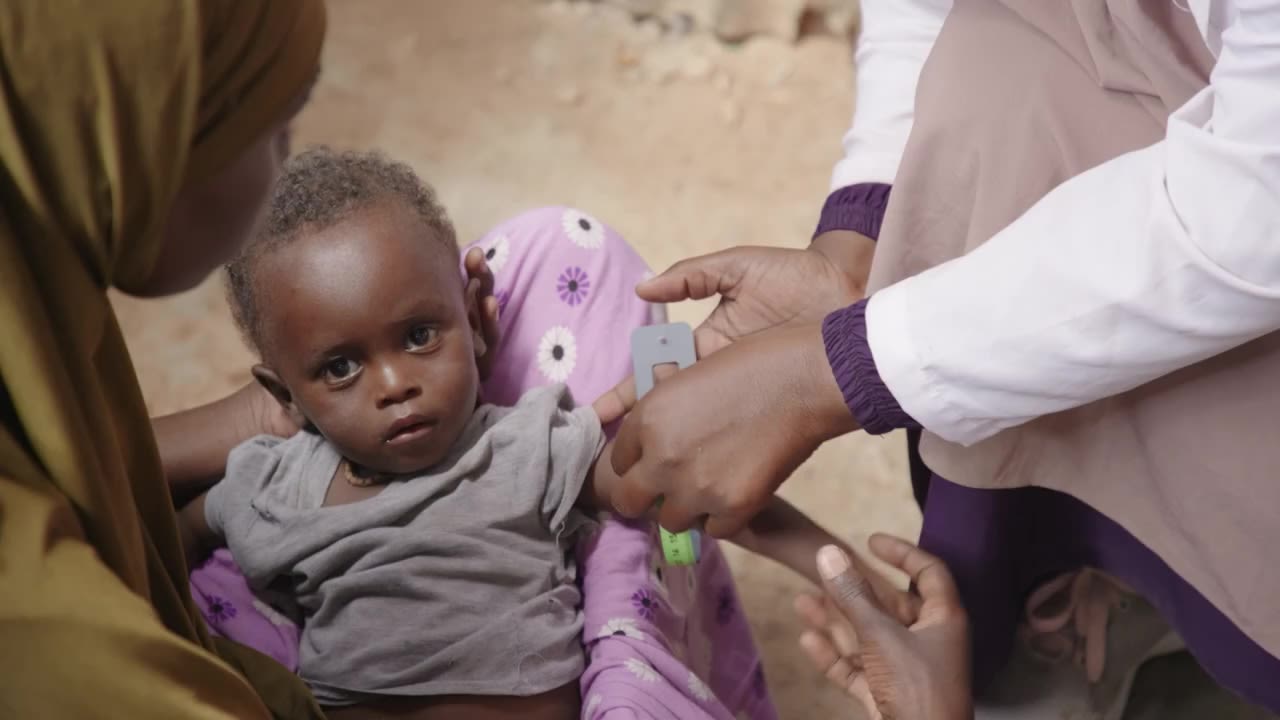


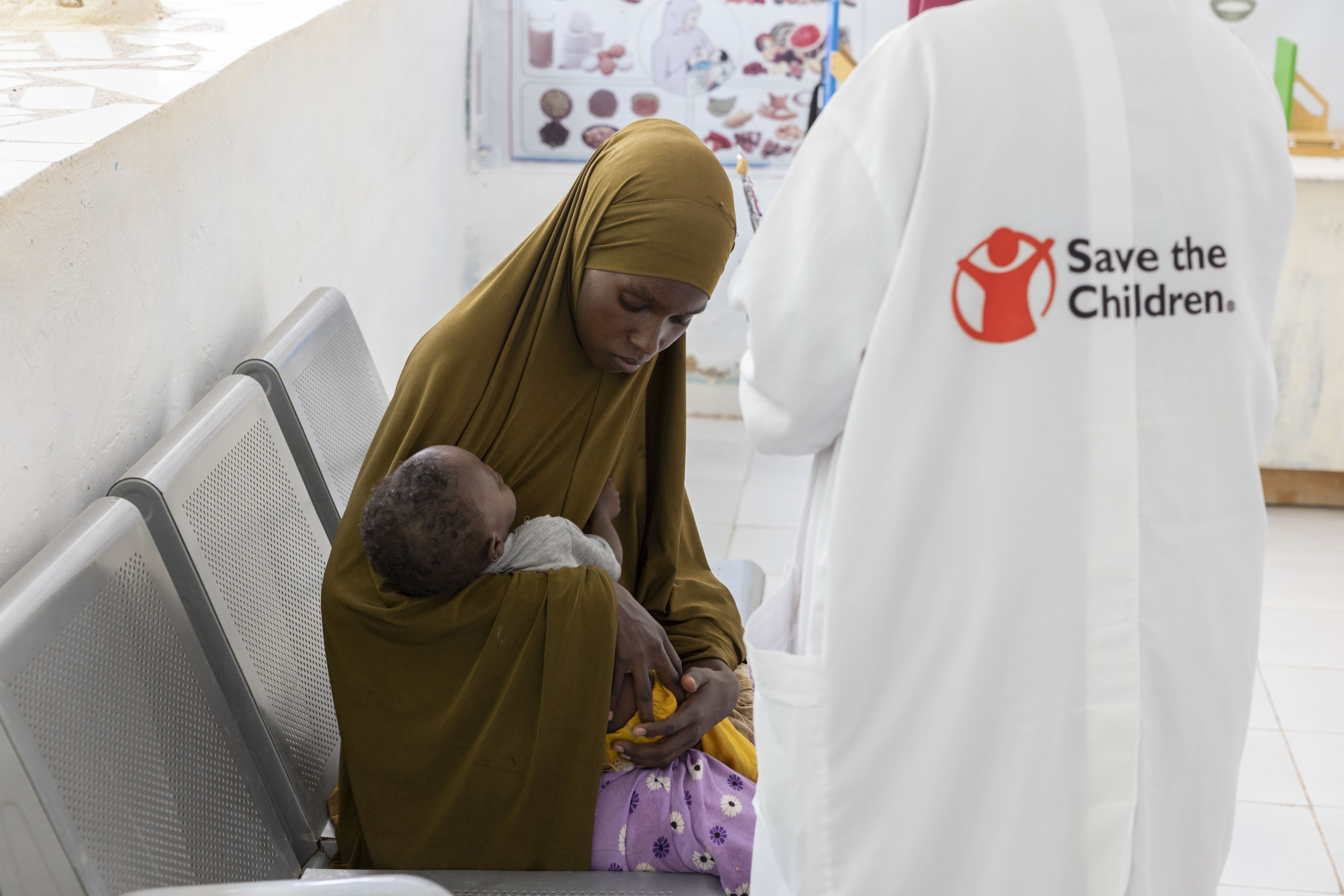

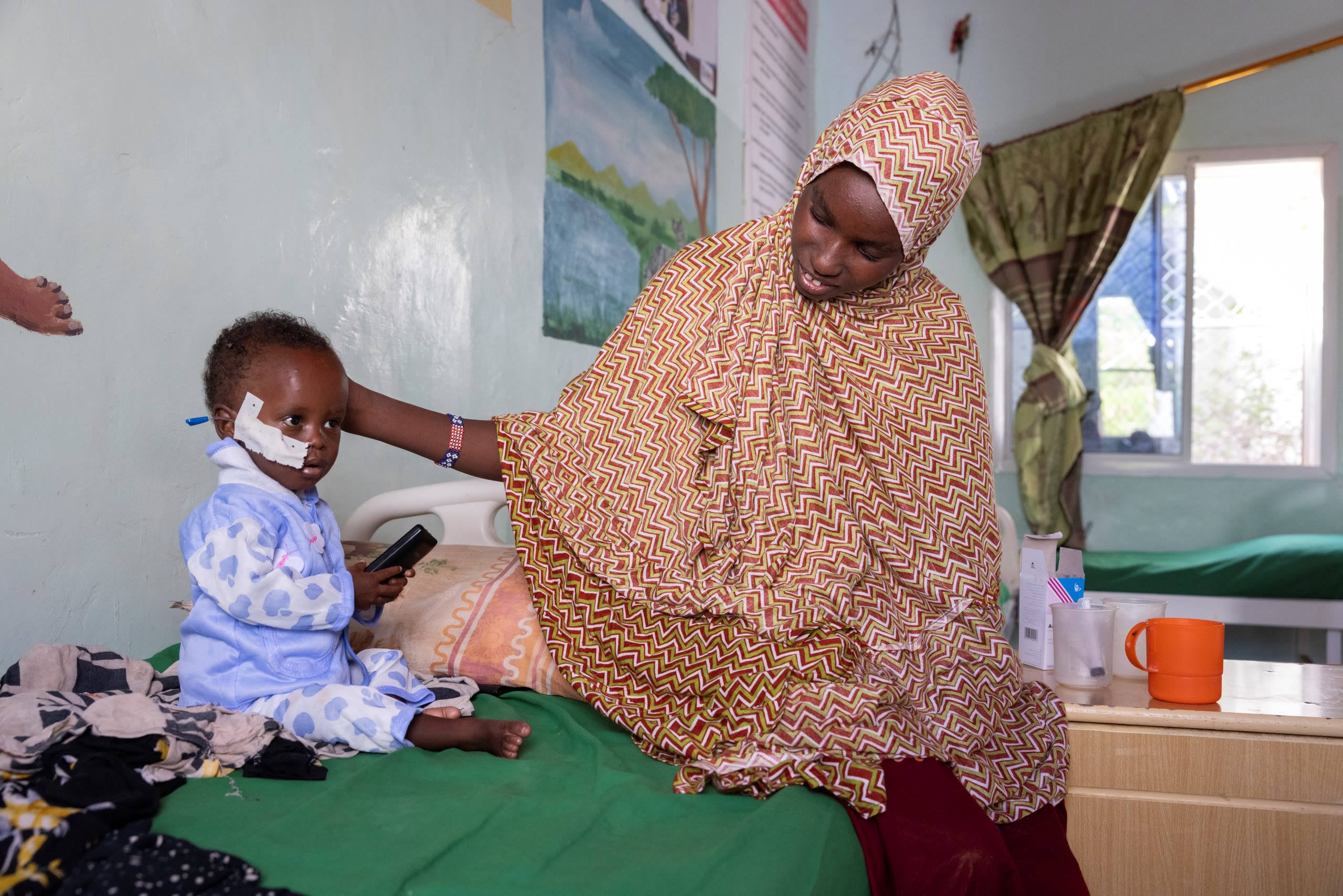
Dalmar had malnutrition and was rushed to a stabilisation clinic for lifesaving treatment.
I was so worried and afraid...He wasn't moving. He was fading fast."
After two days of treatment, Dalmar was feeling much better.
Yesterday he was unwell, he wasn't making any movement
but now he is better and playing."
Dalmar recovered recovering quickly with the help of dedicated staff, medical treatment and therapeautic milk.
Right now, aid cuts are forcing health centres and clinics across the world to close or run out of supplies, health centres just like this one where Dalmar was treated, cutting off vital health services for sick children.
You can help children get the treatment they need and help more children like Dalmar recover quickly from malnutrition.
Conflict and hunger
Jok*'s story
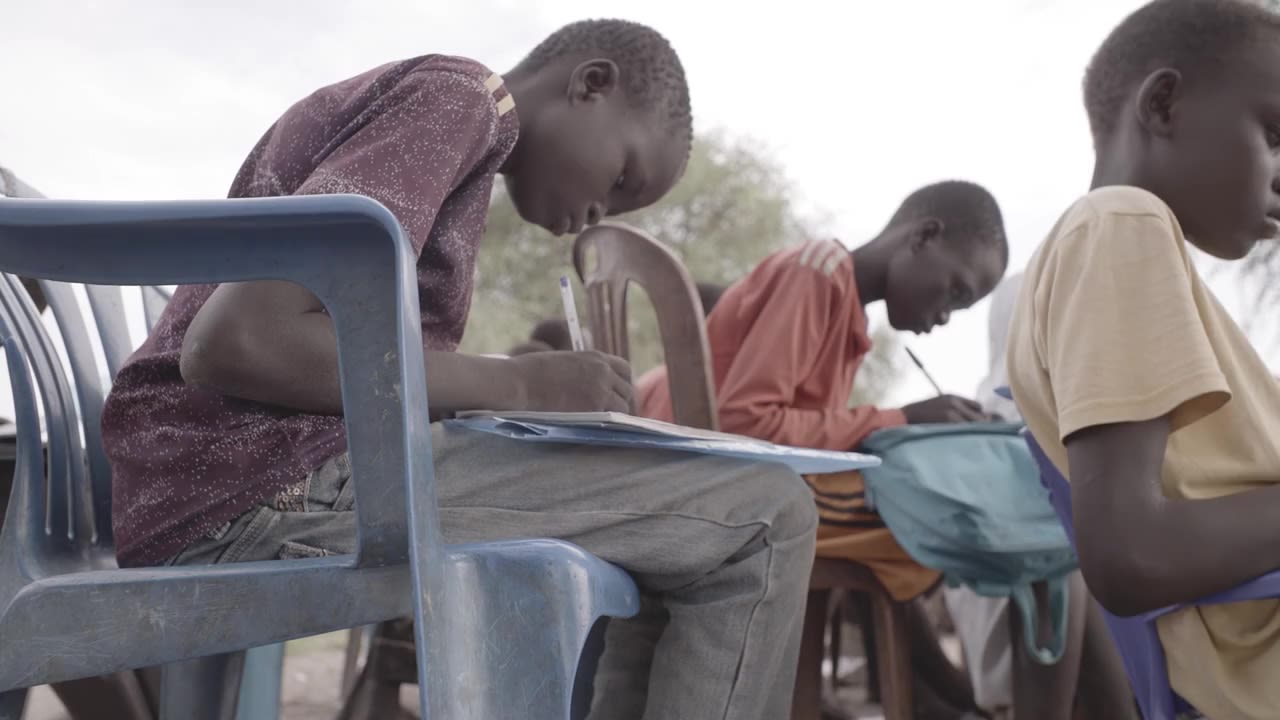


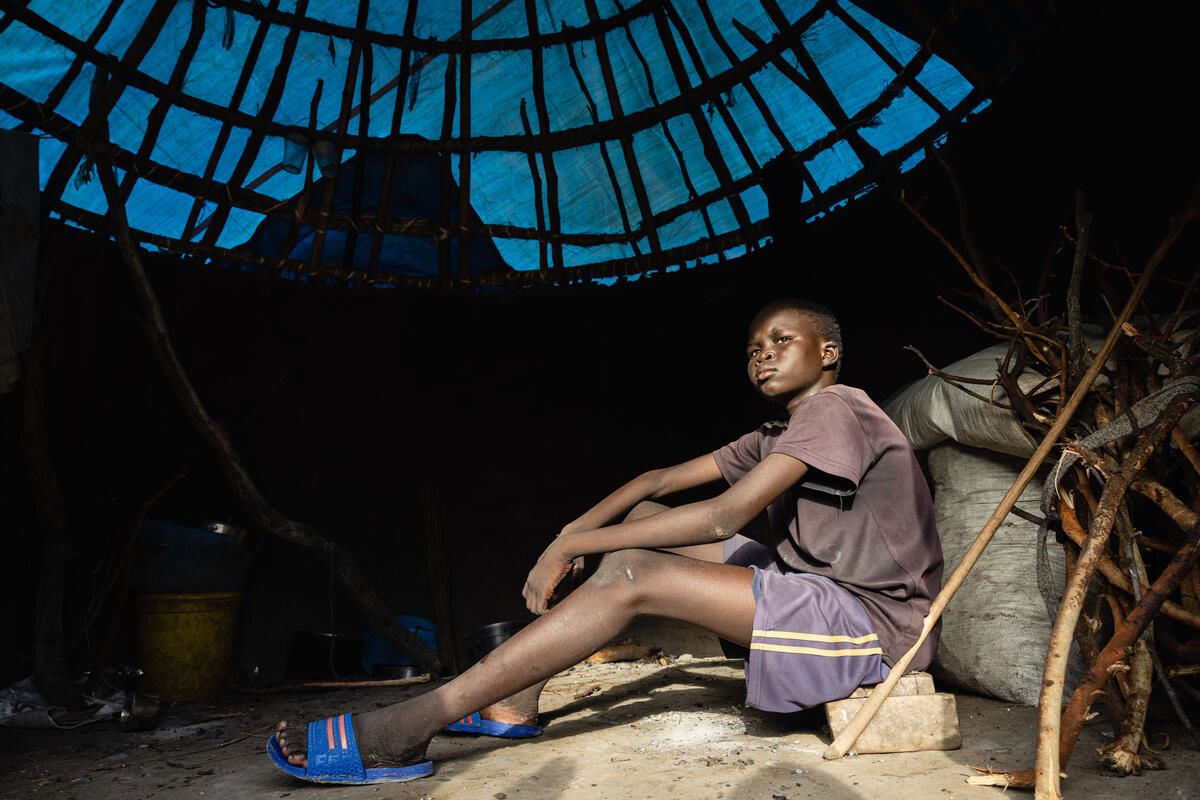

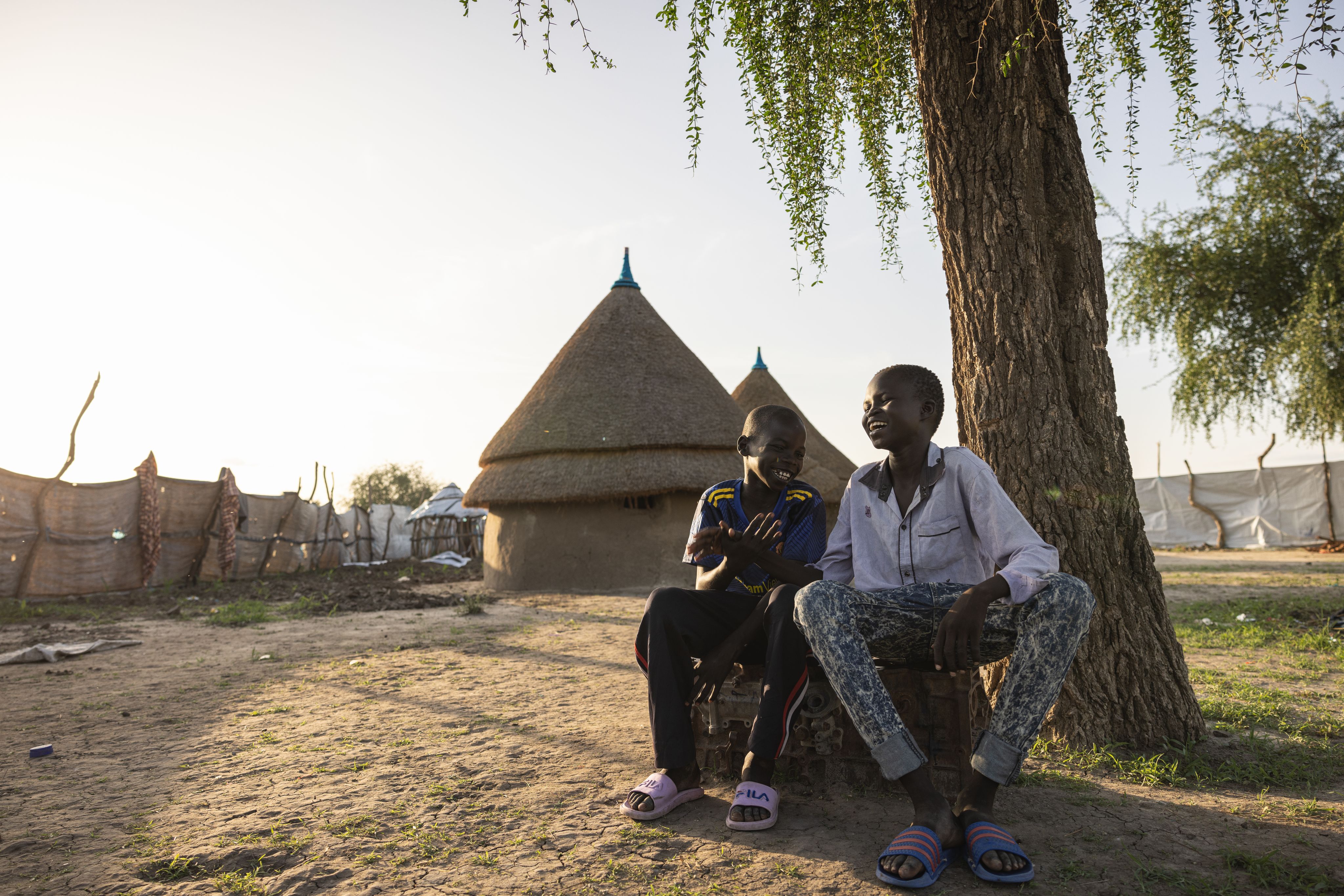

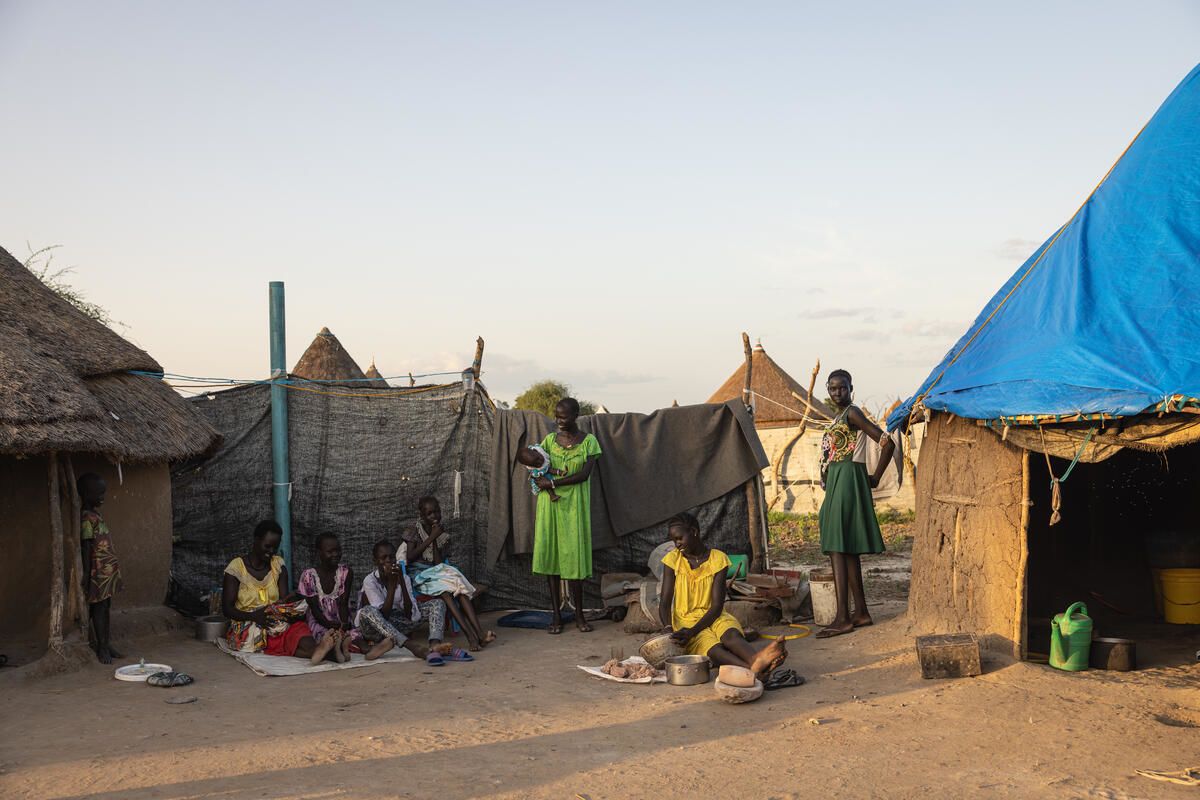
Jok loves going to school and spending time with his friends, but he often finds himself not being able to concentrate because he gets so hungry.
I used to go to school even though I used to have low concentration. The only thing one can do is just to be strong because once you feel hungry you cannot [just] leave school.”
Jok's story is like that of many children around the world.
A rising tide of conflict – from Ukraine to Gaza to South Sudan – is forcing families from their homes, destroying farmland and creating tens of millions of refugees who struggle to get the food they need.
Conflict is the number one driver of food insecurity. 8 out of 10 food crises are driven by conflict. As conflict and hunger intensify, we know that children will be the most affected.
Children living in a conflict zone are more than twice as likely to suffer from malnutrition compared to children living in a peaceful setting.
The climate crisis and hunger
Abdi*'s story
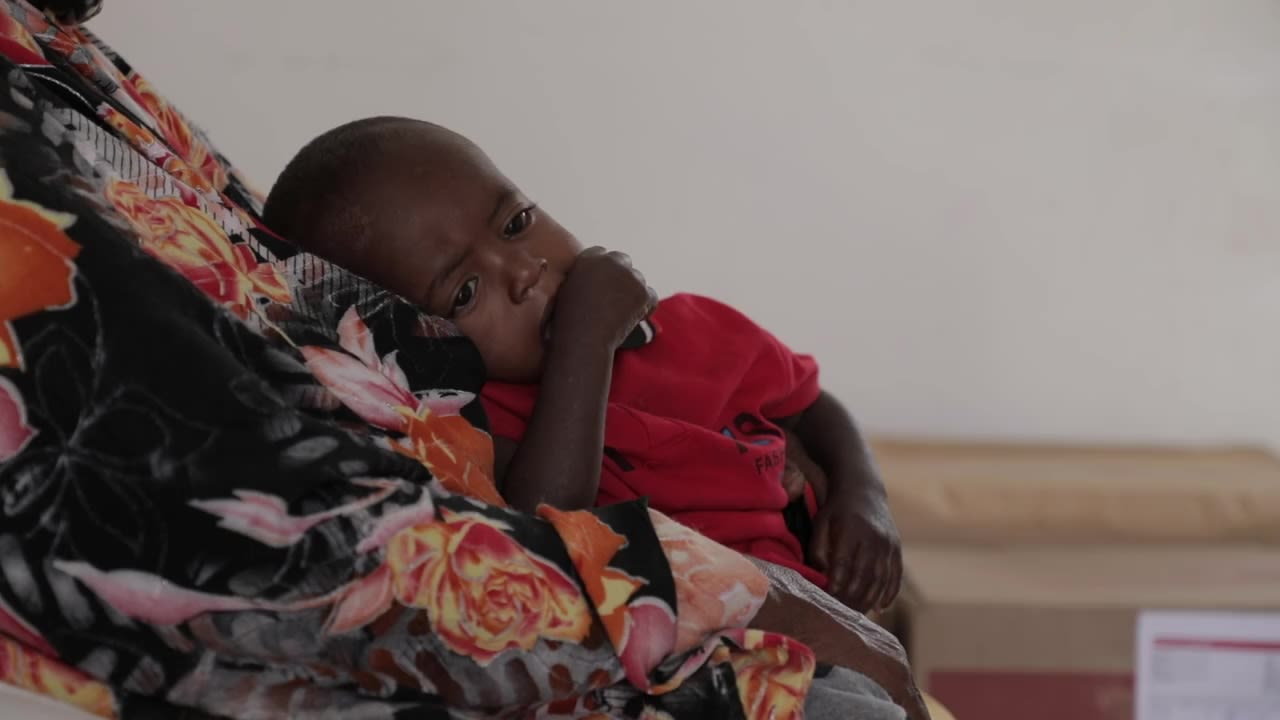


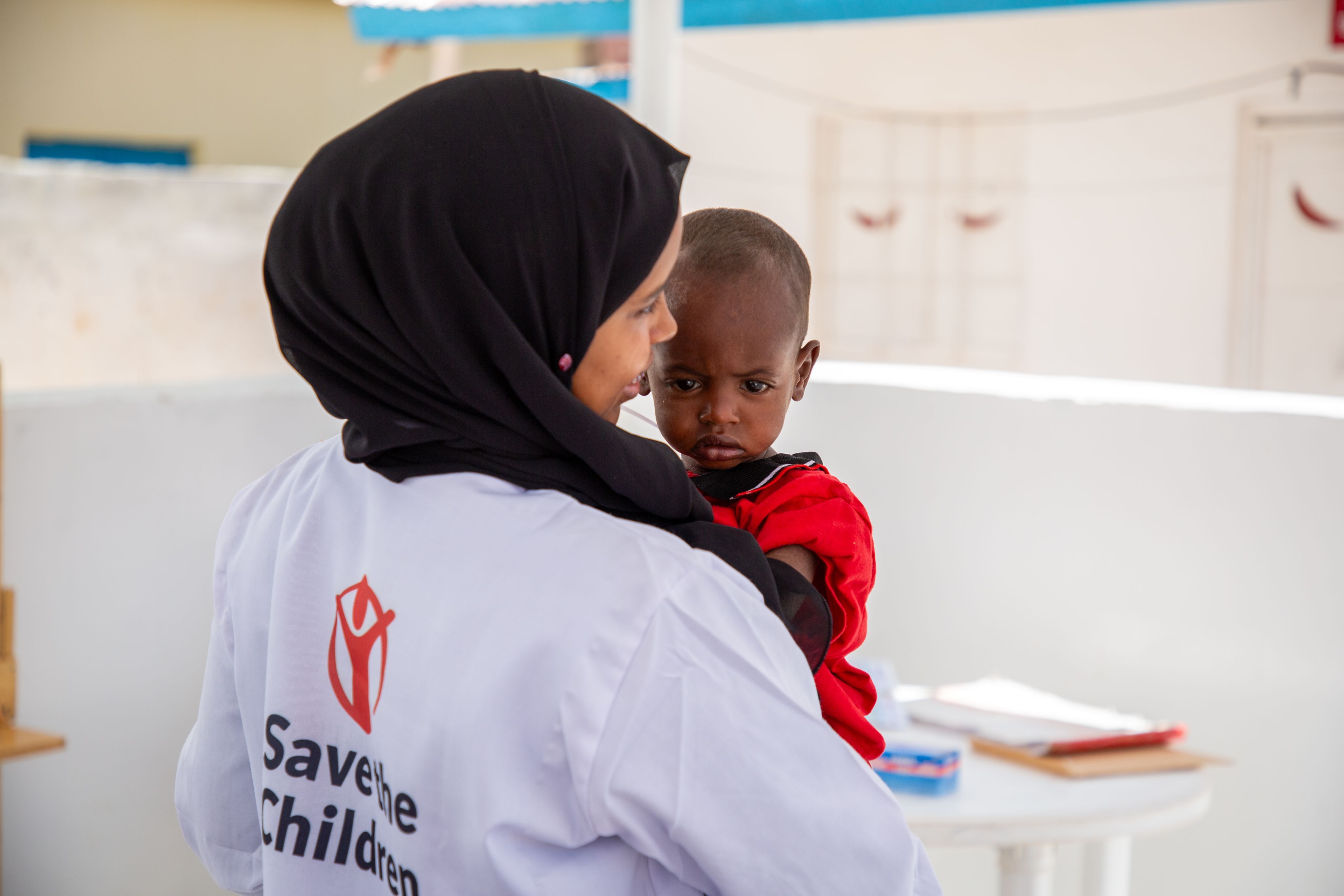


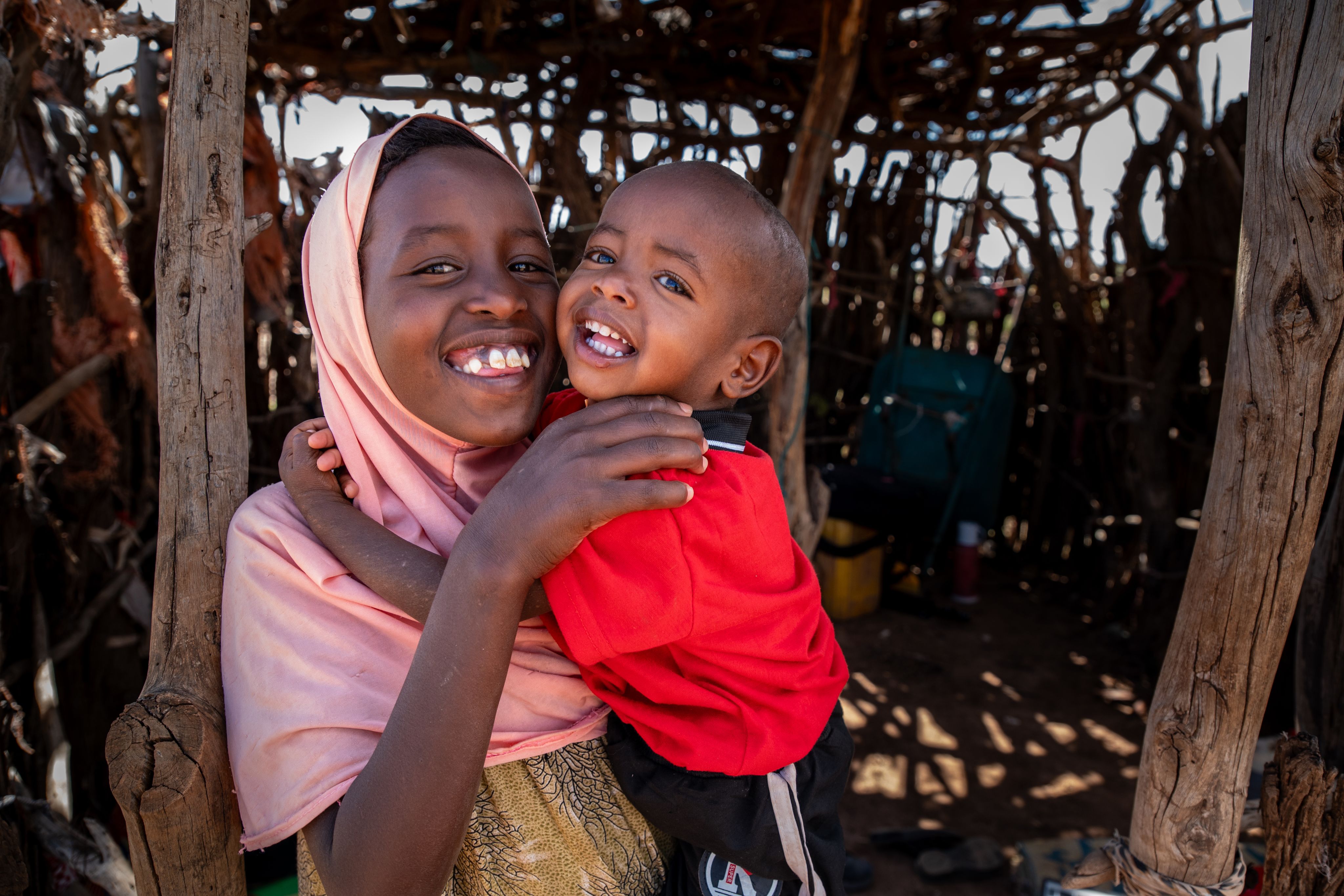
Children across Somalia are facing yet another hunger crisis and climate-related drought is a contributing factor.
There is no food to eat. That's why we are worried, and the weather is hot. We are facing drought. People have migrated. The lakes have no water. We don't have enough water. There is no grass in the field."
Ayaan* is a grandmother and the guardian of her six grandchildren, including 17-month-old Abdi*. Ayaan worries about the hunger crisis and getting the children enough food to eat.
Abdi suffered from severe malnutrition, which began when he was two months old. With no access to proper nutrients, his health deteriorated. His 10-year-old sister Faduma* tells us:
He couldn't play with me. He became thin. He was too small to be carried. When my brother had malnutrition, I feared he would die. I felt worried. I feared for his life.
Save the Children played a crucial role in supporting Ayaan's family and helping Abdi overcome severe malnutrition by providing medicine and nutrition.
But, climate change is fuelling worse and more frequent floods, droughts, storms and wildfires. Furthermore, as temperatures rise, crop production will become more and more difficult.
This devastates crops and livelihoods, leaving children without enough to eat. Children like Abdi.
What are we doing to fight hunger?
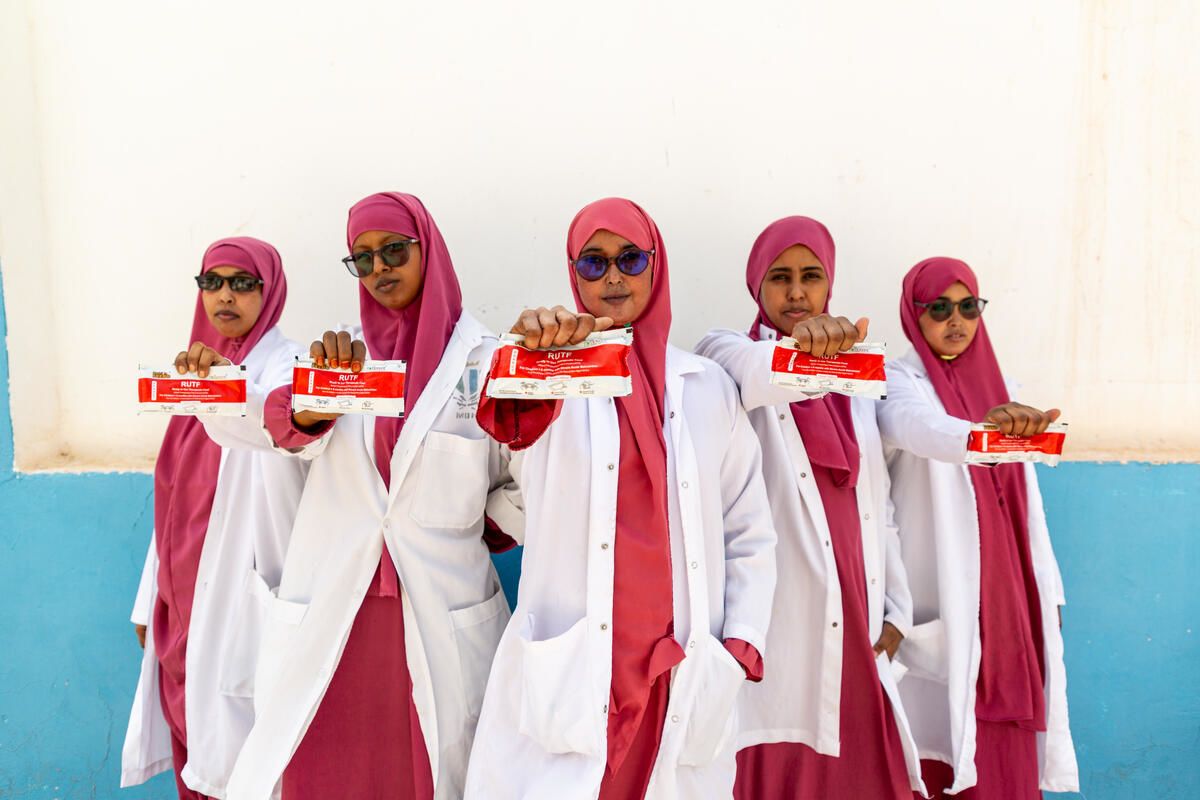
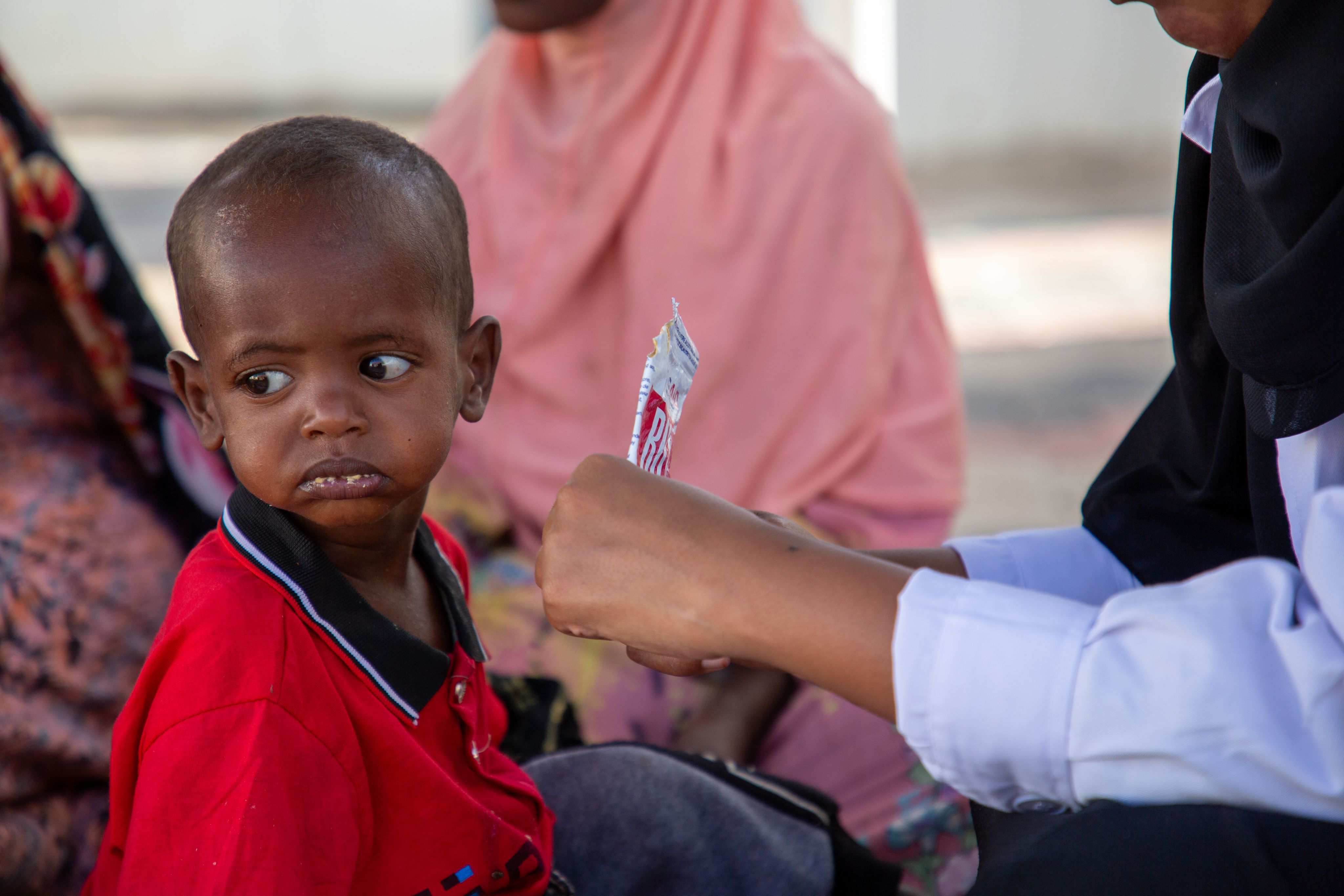
Fadumo* (middle), 30, with other health workers holding therapeutic peanut paste, used to treat children at a hospital in Puntland, Somalia. Photo: Mustafa Saeed / Save the Children
Fadumo* (middle), 30, with other health workers holding therapeutic peanut paste, used to treat children at a hospital in Puntland, Somalia. Photo: Mustafa Saeed / Save the Children
Save the Children equips children and their families with what they need to fight hunger:
- Our expert medical teams treat children with severe malnutrition, using antibiotics and therapeutic milk.
- We put malnourished children on a course of high-energy peanut paste packed with all the vitamins, minerals and calories they need to survive and recover rapidly.
- We train health workers to spot, diagnose, prevent and treat malnutrition in their communities.
- In the aftermath of a disaster, we get emergency food and meals to families who would otherwise have nothing to eat.
- We give parents the cash they need to buy nutritious food for their children.
- We support farming families to sustainably grow food.
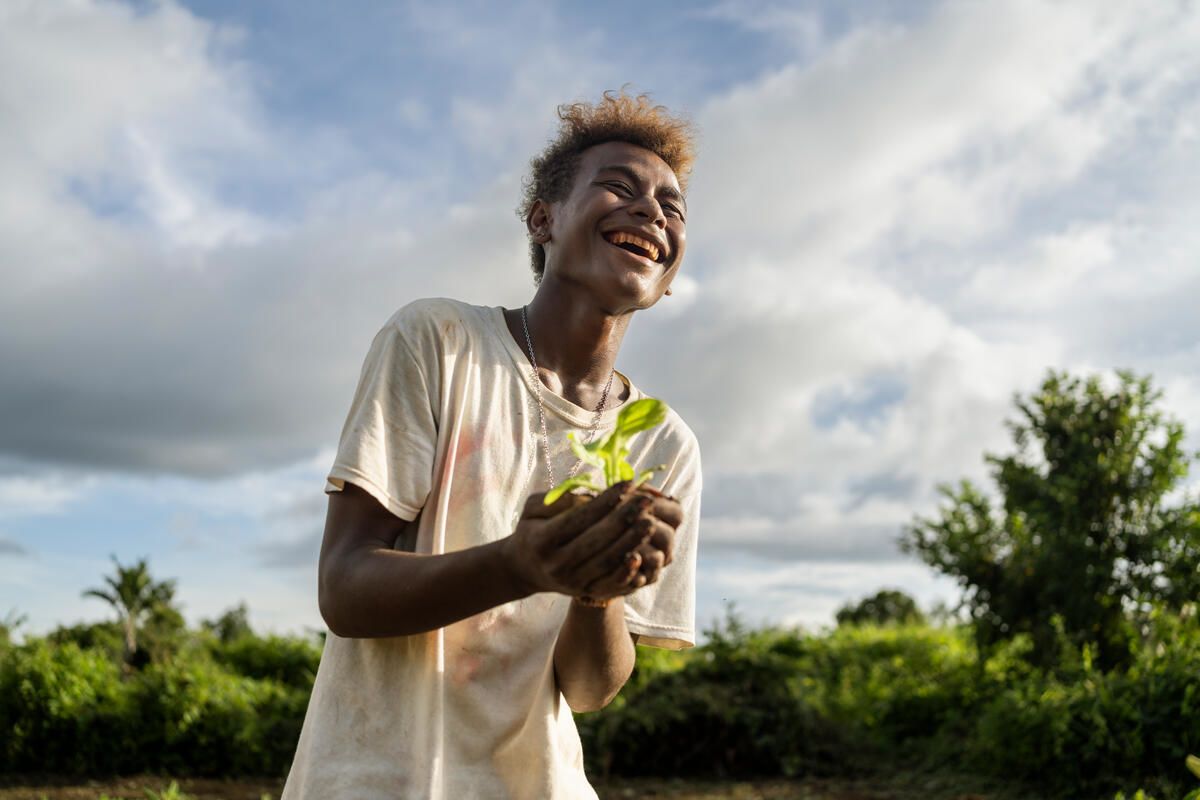
Junior, 16, holding a seedling in a community garden in Malaita Province, the Solomon Islands. Photo: Conor Ashleigh / Save the Children.
Junior, 16, holding a seedling in a community garden in Malaita Province, the Solomon Islands. Photo: Conor Ashleigh / Save the Children.
After the training we planted taro, kumara, tomatoes, cabbage, and beans. I like eating potatoes, cabbage, tomatoes, also kakama and kakake.”
Junior's family took part in Save the Children's resilient farming training sessions in the Solomon Islands.
Together we have the power to transform lives and end world hunger. Act now.
Childhood hunger and malnutrition can be stopped, but we need your help.
Together we can stop hunger.

 Built with Shorthand